What to Expect from an Orthodontic Consultation: A Practical Guide
Making the decision to straighten your teeth is a big step. Whether you are a parent considering braces for your teenager or an adult thinking about Invisalign for the first time, the process begins with a single appointment: the orthodontic consultation. I have sat through many of these consultations myself, both as a patient and as someone who has guided others through the process. So let me walk you through what actually happens, what questions you should ask, and how to get the most out of that first meeting.
Why a Consultation Matters More Than You Think
An orthodontic consultation is not just a quick look in your mouth and a price quote. It is a chance to understand your specific bite issues, the health of your teeth and gums, and the realistic timeline for treatment. Many people walk in thinking they just need a bit of crowding sorted out, only to discover an underlying crossbite or a jaw alignment issue that changes the treatment plan entirely. That is why a thorough consultation is so valuable.
During a proper consultation, the orthodontist will examine your teeth, possibly take X-rays and photographs, and discuss your goals. They will also talk about the trade-offs. For example, clear aligners like Invisalign are great for adults who want a less visible option, but they may not correct certain severe rotations as effectively as traditional braces. A good consultant will be honest about these trade-offs, not just push their preferred system.
What Happens During the Appointment
Let me break down the typical flow of an orthodontic consultation so you know what to expect. The exact process varies between practices, but the core steps are usually the same.
Initial Discussion and Health History
The consultation usually starts with a conversation. The orthodontist or a treatment coordinator will ask about your dental history, your reasons for seeking treatment, and any concerns you have. This is the time to mention habits like thumb-sucking in children, or for adults, issues like clenching or grinding that can affect tooth movement. Be open about your expectations. If you want a faster result, say so. If you are worried about pain, say that too.
Clinical Examination and Imaging
Next comes the physical examination. The orthodontist will look at your teeth, bite, and jaw relationship. They may check how your back teeth meet, whether your midline is off, and if there is enough space for all your teeth. In many practices, they will take a panoramic X-ray or a lateral cephalometric X-ray to see the roots and jaw structure. Some now use a 3D intraoral scanner instead of messy impressions, which is much more comfortable. These images are crucial for planning precise movements.
Discussion of Findings and Treatment Options
After reviewing the images, the orthodontist will explain what they found. They will describe the type of malocclusion you have - the technical term for a bad bite - and the possible treatments. This is the core of the orthodontic consultation. They might say your upper jaw is narrow and suggest a palatal expander before braces. Or they could explain that your lower teeth are tipped inwards and recommend fixed braces with elastics. For adults, they often discuss the pros and cons of metal braces versus clear aligners. This is where you get to ask all your questions.
One question that often comes up is about retention. No matter how well you straighten teeth, they have a memory and will try to shift back. A good orthodontist will explain the need for a retainer after treatment and how long you need to wear it. That is part of a responsible consultation.
Questions You Should Ask During Your Consultation
Do not let the orthodontist do all the talking. Come prepared with a few questions. Here are the ones I have found most useful.
- What specific bite issues do I have, and how will treatment address them?
- How long is the estimated treatment time, and what factors could change it?
- What are the upfront costs, and what is included in the price? Are there payment plans?
- How often will I need appointments, and how long does each one take?
- What happens after the braces come off? Is retention included in the fee?
Asking these questions shows you are engaged and helps you compare different practices fairly. It also helps you gauge whether the orthodontist is communicating clearly with you.
What the Consultation Reveals About the Practice
An orthodontic consultation is also a chance for you to evaluate the practice. The atmosphere of the clinic, the friendliness of the staff, and the cleanliness of the treatment areas all matter. You are entering a relationship that may last one to three years. You need to feel comfortable. Pay attention to how the orthodontist listens. Do they interrupt you? Do they answer your questions directly, or do they dodge? These are red flags.
I once visited a practice where the consultant spent most of the time talking about the latest technology without ever explaining how it would help my specific case. That told me they were more interested in the gadget than the patient. On another occasion, the orthodontist took the time to draw a diagram of my bite on a piece of paper, showing me exactly how the teeth would move and in what order. That gave me real confidence.
Special Considerations for Adults and Children
The orthodontic consultation differs slightly depending on the patient's age. For children, the orthodontist will assess growth patterns. Early intervention can sometimes prevent more complex problems later. For example, expanding the upper jaw at age eight or nine can create space for permanent teeth and avoid extractions. The consultation for a child often includes a discussion about timing - when to start treatment for the best result.
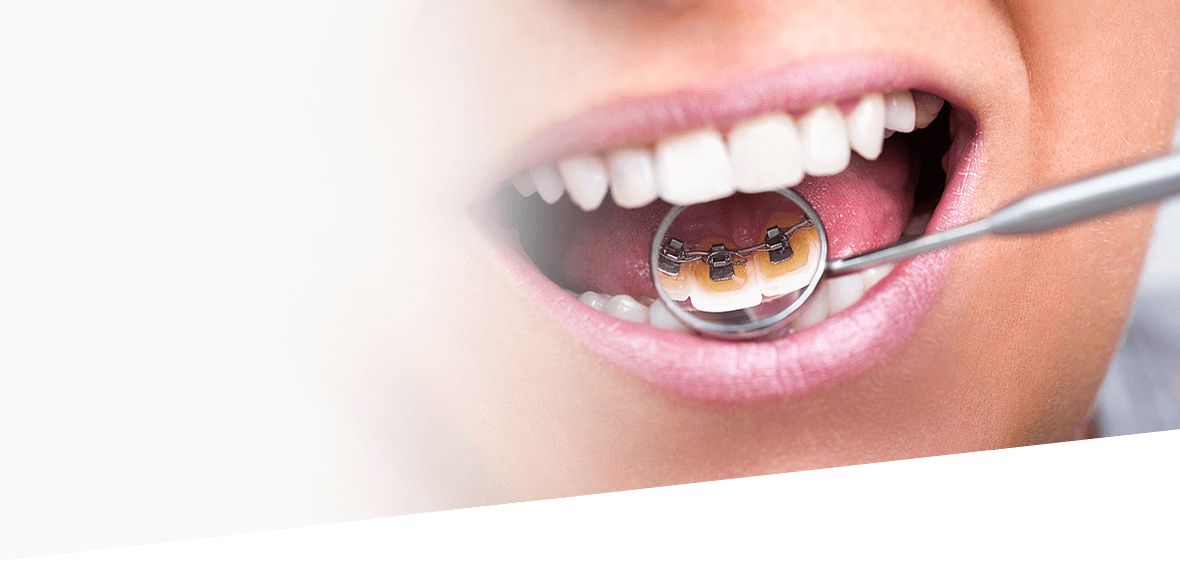
For adults, the consultation focuses more on gum health and bone density. Adults are more prone to gum recession and root resorption during orthodontic treatment. The orthodontist will want to ensure your gums are healthy enough to support tooth movement. They may also discuss aesthetic options like clear aligners or lingual braces (braces on the inside of the teeth). Adults often worry about the social impact of braces, so a good consultant will address that openly.

Whether you are a parent or an adult patient, the consultation is your opportunity to get a tailored plan. No two mouths are the same, and a one-size-fits-all answer is rarely the best one.
The Value of a Specialist-Led Consultation
In Scotland, orthodontics is a dental specialty. That means the practitioner should have completed additional years of training beyond general dentistry. A consultation with a specialist orthodontist is different from a quick assessment by a general dentist. The specialist has deeper knowledge of facial growth, biomechanics, and treatment planning. They can spot issues that a generalist might miss.
When you search for a practice, look for one that offers a thorough orthodontic consultation scottishorthodontics is an example of a service that puts emphasis on a detailed, patient-centred evaluation. The idea is that you should not commit to months or years of treatment without a clear understanding of what is involved. A specialist-led consultation gives you that clarity.
Another reason to see a specialist is that they can offer a wider range of treatment options. General dentists may only offer one or two brands of aligners or one type of brace. A specialist practice like Scottish Orthodontics will typically have multiple systems available, from traditional brackets to Invisalign and other clear aligner systems. They can match the appliance to the patient, not the other way around.
How to Prepare for Your Consultation
Preparation is simple but often overlooked. Bring a list of your current dental issues, any past orthodontic treatment you have had, and your medical history. If you have X-rays from a recent check-up, bring them along. Also bring your insurance or payment information. Most consultations are free or charged at a nominal fee, but it is good to confirm that beforehand.
If you are bringing a child, let them ask a question too. It helps them feel involved and less anxious. Some practices have a child-friendly environment with games or videos, which can make a big difference for a nervous young patient.
What Happens After the Consultation
After the consultation, the practice will usually send you a written treatment plan with the recommended approach, the estimated duration, and the cost breakdown. Take your time to review it at home. Do not feel pressured to sign up on the spot. A reputable practice will give you space to decide. Compare the plan with what you learned during the consultation. Does it match the discussion? Are there any hidden fees for retainers or emergency appointments?
If you have multiple consultations, compare them on the substance of the advice, not just the price. The cheapest option is not always the best. A slightly more expensive plan that includes a robust retention protocol and a longer follow-up period may save you money and hassle in the long run.

I have seen patients rush into a decision based on price alone, only to switch practices halfway through treatment because they were unhappy with the care. That is costly both financially and emotionally. A thoughtful orthodontic consultation scottishorthodontics approach helps you avoid that mistake by laying out all the details upfront.
Final Thoughts on the Process
The orthodontic consultation is the foundation of your entire treatment journey. It sets expectations, builds trust, and ensures that you and your orthodontist are on the same page. Do not treat it as a box to tick. Treat it as a working session where you gather information, ask questions, and decide if this is the right path for you.
Scottish Orthodontics has built its reputation on thorough, patient-focused consultations. That is not just marketing talk. It reflects a real commitment to getting the diagnosis right before any treatment begins. Whether you are considering braces for yourself or your child, investing time in a thorough consultation will pay off in fewer surprises and a smoother treatment experience.
Remember, straightening teeth is a medical procedure, not a cosmetic afterthought. It affects your bite, your speech, your chewing, and your long-term dental health. A good orthodontic consultation scottishorthodontics service acknowledges that and treats you as a whole person, not just a set of teeth.
 Facebook
 Instagram